The layout of a factory or warehouse can have major implications on its efficiency, productivity and safety – especially if it involves bringing in new gear or machinery to boost production. We find that introducing an entirely new, perfectly optimised layout is often less costly and much more efficient than trying to optimise a facility bit by bit in a piecemeal fashion.
At BTS Engineering, we can help you plan and implement a more efficient layout that will serve you better immediately, and help set you up for improved growth in the future.
The following are common signs of an inefficiently laid out factory, workshop, or warehouse.
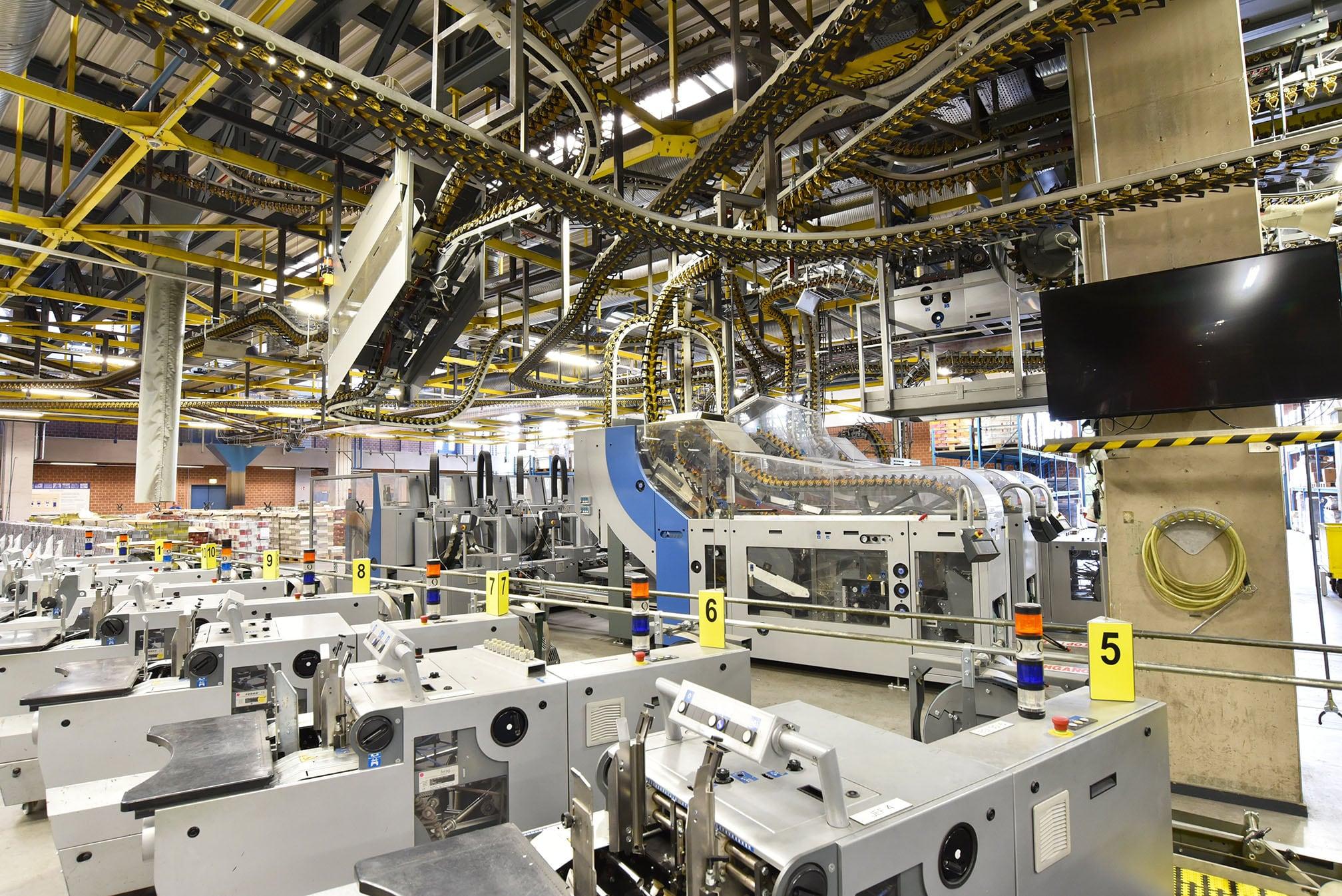
Indications of a poor layout
1. Intersecting workflows
Where any path between process areas crosses another path you have the potential to create a choke point or even an accident. By mapping out workflows, in consideration of other attributes in the system like those discussed below, we help you plan the optimal positioning of machinery, plant, etc in your factory, workshop, or warehouse.
2. Delay points
Insufficient or inefficient output or slow material delivery in one area of an operation can have significant downstream effects. Sometimes implementing a more efficient layout can mitigate delay points without the need to replace or upgrade plant or machinery
3. Obstacles to access
Difficulty in accessing machinery to supply materials can create severe long-term inefficiencies in a processing or manufacturing facility. Improving access either by relocating the machinery or improving access to it is a simple way to improve output.
4. Insufficient capacity
Machinery that has insufficient capacity is a common handbrake on growth. The rule is that a new machine should run at no more than 70% of its peak capacity to leave enough room for business expansion.
5. Inefficiently laid out services
Poorly positioned hydraulic, electrical, water, and steam lines can also limit output by reducing the amount of energy delivery, and causing access and workflow issues.
6. Insufficient lighting in key zones
Lighting has a significant impact on safety, and because of that there is legislation in place to govern it in workplaces. In ‘high concentration’ areas it must be at least 800 lux so workers can see what they’re doing clearly – for example using machine tools or operating dangerous machinery. On the other hand, in ‘low concentration’ areas like walkways, 400 lux is deemed to be adequate. If you’re uncertain if your workplace complies, let us know, and we can measure your lighting and, if necessary, make the changes to ensure it complies.